Thumb Cactus: A Creative Guide to Growing and Care
Are you looking for a unique and low-maintenance plant that adds a touch of creativity to your space? Look no further than the Thumb Cactus! This small but mighty plant is a popular choice among succulent enthusiasts due to its distinctive appearance and ease of care. In this guide, we'll explore everything you need to know about growing and caring for Thumb Cacti.
Thumb Cacti, also known as Mammillaria Elongata, are native to Mexico and are part of the cactus family. They have a cylindrical shape with rounded ridges and spines that grow in clusters. Their pink or yellow flowers bloom in the spring and summer, adding a pop of color to their already unique appearance.
These plants are ideal for those who want to add some greenery to their home or office but don't have a lot of space or time for maintenance. They're perfect for beginners because they require minimal attention and can thrive in a variety of environments.
So let's dive into 15 sections on how to grow and care for your Thumb Cactus:
1. Soil
Thumb Cacti prefer well-draining soil that allows water to pass through quickly. You can use a cactus-specific soil mix or create your own by combining equal parts of sand, perlite, and potting soil.
It's important to note that these plants do not tolerate wet roots, so be sure to use a pot with drainage holes to avoid water accumulation.
2. Light
Thumb Cacti love bright light and thrive in direct sunlight. However, they can also tolerate partial shade. If you're growing them indoors, it's best to place them near a window that receives ample sunlight throughout the day.
If you notice your plant turning yellow or brown, it may be getting too much direct sunlight. In this case, move it to a spot that receives less direct light.
3. Watering
As mentioned earlier, Thumb Cacti do not tolerate wet roots. Therefore, it's important to allow the soil to dry out completely between waterings. In the summer months, you may need to water them once a week, but in the winter, you can reduce watering to once every two weeks.
When watering, be sure to use room temperature water and avoid getting water on the plant itself to prevent rot.
4. Temperature
Thumb Cacti prefer warm temperatures between 60-80°F (15-26°C). They can tolerate cooler temperatures, but it's best to keep them away from drafts or cold windows during the winter months.
5. Humidity
These plants don't require high humidity levels and can thrive in normal household humidity. However, if you live in an especially dry climate, you can mist your plant occasionally to boost humidity levels.
6. Fertilizer
Thumb Cacti don't require a lot of fertilizer, but you can feed them once a month during the growing season with a cactus-specific fertilizer. Be sure to dilute the fertilizer to half-strength before using it on your plant.
7. Repotting
Thumb Cacti grow slowly, so they don't require frequent repotting. However, if you notice your plant becoming top-heavy or outgrowing its current pot, you can repot it into a slightly larger container using fresh soil.
It's best to repot in the spring or summer when the plant is actively growing.
8. Pruning
Thumb Cacti don't require pruning, but you can remove any dead or damaged leaves or stems to keep the plant looking tidy. Be sure to use clean, sharp scissors to avoid damaging the plant.
9. Propagation
Thumb Cacti can be propagated through stem cuttings. Simply cut a stem from the main plant, allow it to dry for a few days, and then place it in well-draining soil.
It's best to propagate during the spring or summer when the plant is actively growing.
10. Common Pests
Thumb Cacti are generally resistant to pests, but they can sometimes attract mealybugs or scale insects. If you notice any signs of infestation, isolate the plant and treat it with an insecticidal soap or neem oil.
11. Common Problems
Overwatering is the most common problem with Thumb Cacti. If you notice your plant turning yellow or brown, it may be a sign that it's getting too much water. Allow the soil to dry out completely before watering again.
12. Toxicity
Thumb Cacti are non-toxic to humans and pets, making them a safe choice for households with children or animals.
13. Uses
Thumb Cacti are often used in small containers or terrariums to add a touch of greenery to desks, shelves, or windowsills. They also make great gifts due to their unique appearance and low-maintenance care requirements.
14. Varieties
There are over 200 species of Mammillaria, including several varieties of Thumb Cacti. Some popular options include the Mammillaria Elongata 'Copper King', which has copper-colored spines, and the Mammillaria Elongata 'Golden Star', which has yellow flowers.
15. Fun Facts
- The name Mammillaria comes from the Latin word "mamilla", meaning nipple, referring to the round bumps on the cactus.
- In Mexico, some species of Mammillaria are believed to have medicinal properties and are used to treat various ailments.
Thumb Cacti are a unique and low-maintenance plant that can thrive in a variety of environments. With the right soil, light, water, and care, you can enjoy the beauty of these plants for years to come.
Frequently Asked Questions
1. How often should I water my Thumb Cactus?
You should allow the soil to dry out completely between waterings. In the summer months, this may mean watering once a week, but in the winter, you can reduce watering to once every two weeks.
2. Can I grow Thumb Cacti indoors?
Yes, Thumb Cacti can be grown indoors as long as they receive ample sunlight and are planted in well-draining soil.
3. Do Thumb Cacti require fertilizer?
While they don't require a lot of fertilizer, you can feed them once a month during the growing season with a cactus-specific fertilizer.
4. Are Thumb Cacti toxic to pets?
No, Thumb Cacti are non-toxic to humans and pets.
5. How do I propagate Thumb Cacti?
Thumb Cacti can be propagated through stem cuttings. Simply cut a stem from the main plant, allow it to dry for a few days, and then place it in well-draining soil.
6. What is the best temperature for Thumb Cacti?
Thumb Cacti prefer warm temperatures between 60-80°F (15-26°C).
7. What should I do if my Thumb Cactus is turning yellow?
If your plant is turning yellow, it may be getting too much water. Allow the soil to dry out completely before watering again.
8. How often should I repot my Thumb Cactus?
Thumb Cacti grow slowly, so they don't require frequent repotting. However, if you notice your plant becoming top-heavy or outgrowing its current pot, you can repot it into a slightly larger container using fresh soil.
9. What pests are common with Thumb Cacti?
Thumb Cacti are generally resistant to pests, but they can sometimes attract mealybugs or scale insects.
10. Can I use Thumb Cacti in terrariums?
Yes, Thumb Cacti are often used in small containers or terrariums to add a touch of greenery to desks, shelves, or windowsills.
14 Thumb cactus Images

Cactus Flower In 2020 Cactus Flower Flowers Green Thumb

430 Green Thumb Ideas Plants Green Thumb Botanical Collection

Crassula Tom Thumb Perforata Succulents Succulents For Sale Tiny

Succulent Plant Crassula Tom Thumb Is A Charming Mini Plant With Tiny

Pin On Succulents

Dont Have A Green Thumb Perfect Artificial But Looks So Totally Real

Looking Sharp Cactus Planter Punny Pot Cactus Pot Cute Gift Etsy In

EPIPHYLLUM CARE Growing How To Propagate Them Oregon State Univ

Feather Cactus Green Thumb Cactus Plants

Crassula Tom Thumb Perforata Succulent Landscaping Succulents

Pin On Cactus Flowers

Cuctus Garden Plants Green Thumb Garden
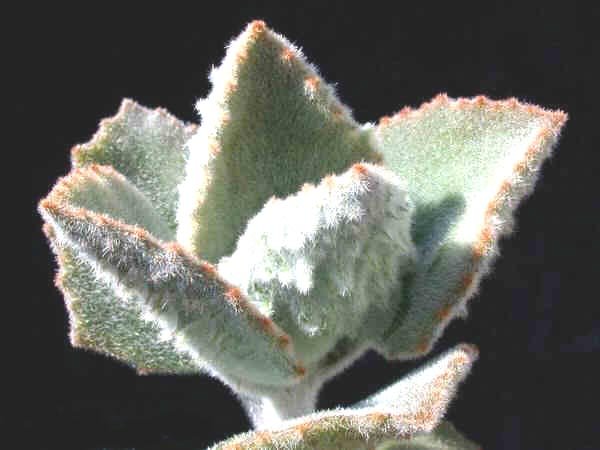
Succulents Fang Thumb

Lithops Plantas Jardines
Posting Komentar untuk "Thumb Cactus: A Creative Guide to Growing and Care"